Rhamnus: The Unsung Hero Of Herbal Medicine
Rhamnus: The Unsung Hero of Herbal Medicine
Rhamnus is a genus of shrubs and trees that includes over 200 species. It is found in temperate and tropical regions around the world. Rhamnus species have been used for centuries in traditional medicine for a variety of purposes, including treating diarrhea, constipation, and dysentery. They are also used to promote wound healing, reduce inflammation, and relieve pain.
In recent years, scientific research has begun to confirm the traditional medicinal uses of Rhamnus species. For example, studies have shown that extracts of Rhamnus species can inhibit the growth of bacteria, fungi, and viruses. They have also been shown to reduce inflammation and pain.
One of the most well-researched Rhamnus species is Rhamnus frangula, also known as frangula bark. Frangiula bark has been shown to be effective in treating diarrhea and constipation. It is also a good source of fiber, which can help to regulate bowel movements.
Another well-researched Rhamnus species is Rhamnus purshiana, also known as cascara sagrada. Cascara sagrada is a laxative that is used to treat constipation. It is also a good source of antioxidants, which can help to protect the body against damage from free radicals.
Rhamnus species are generally safe when used as directed. However, they can cause side effects such as diarrhea, nausea, and vomiting. They should not be used by pregnant women or people with kidney problems.
If you are interested in using Rhamnus species for medicinal purposes, it is important to talk to your doctor first. They can help you to determine if Rhamnus is right for you and can recommend the best way to use it.
Main Content
Benefits of Rhamnus
The following are some of the benefits of Rhamnus:
- Treats diarrhea and constipation. Rhamnus species are a good source of fiber, which can help to regulate bowel movements. They also contain compounds that can help to reduce inflammation in the gut, which can contribute to diarrhea.
- Promotes wound healing. Rhamnus species contain compounds that can help to promote wound healing. These compounds can help to reduce inflammation and promote the growth of new tissue.
- Reduces inflammation. Rhamnus species contain compounds that can help to reduce inflammation. These compounds can help to block the production of inflammatory chemicals and also help to repair damage to cells caused by inflammation.
- Relieves pain. Rhamnus species contain compounds that can help to relieve pain. These compounds can help to block the transmission of pain signals to the brain.
How to Use Rhamnus
Rhamnus can be used in a variety of ways, including:
- Tea: Rhamnus leaves can be brewed into a tea. This tea can be used to treat diarrhea, constipation, and dysentery.
- Extract: Rhamnus extracts can be taken as capsules or tablets. These extracts are a concentrated form of the beneficial compounds found in Rhamnus.
- Tincture: Rhamnus tincture can be made by soaking Rhamnus bark in alcohol. This tincture can be used to treat diarrhea, constipation, and dysentery.
Precautions
Rhamnus species are generally safe when used as directed. However, they can cause side effects such as diarrhea, nausea, and vomiting. They should not be used by pregnant women or people with kidney problems.
Conclusion
Rhamnus is a genus of shrubs and trees that has been used for centuries in traditional medicine. In recent years, scientific research has begun to confirm the traditional medicinal uses of Rhamnus species. Rhamnus species are generally safe when used as directed, but they can cause side effects such as diarrhea, nausea, and vomiting. They should not be used by pregnant women or people with kidney problems.
Rhamnus is a genus of shrubs and trees that includes over 200 species. They are found in temperate and tropical regions around the world. Rhamnus species are known for their diverse range of uses, including ornamental landscaping, medicinal applications, and food production.
If you are interested in learning more about rhamnus, I recommend visiting the website Garden Wiki. This website provides a wealth of information about the genus, including species profiles, cultivation tips, and medicinal uses.
FAQ of rhamnus
Q1: What is Rhamnus?
A: Rhamnus is a genus of shrubs and trees that includes about 200 species. They are found in temperate and tropical regions around the world. Rhamnus species are known by a variety of common names, including buckthorn, cascara, and holly.
Q2: What are the uses of Rhamnus?
A: Rhamnus species have a variety of uses, including:
- Medicinal: Some Rhamnus species have been used medicinally for centuries. The bark and berries of Rhamnus cathartica, for example, are a strong laxative. Other Rhamnus species have been used to treat a variety of other conditions, including diarrhea, constipation, and dysentery.
- Ornamental: Many Rhamnus species are grown as ornamental plants. They are attractive shrubs and trees with colorful flowers and berries.
- Wood: The wood of some Rhamnus species is used for making furniture, tool handles, and other objects.
Q3: Is Rhamnus safe to use?
A: Rhamnus species can be safe to use when used appropriately. However, it is important to note that some Rhamnus species can be toxic if ingested in large quantities. It is also important to consult with a healthcare professional before using Rhamnus species for medicinal purposes.
Q4: How do I identify Rhamnus?
A: Rhamnus species can be identified by their characteristic features, including:
- Leaves: The leaves of Rhamnus species are typically oval or lanceolate in shape. They are often arranged opposite each other on the stem.
- Flowers: The flowers of Rhamnus species are small and inconspicuous. They are typically white or greenish-yellow in color.
- Berries: The berries of Rhamnus species are typically black or red in color. They are often edible, but some species have poisonous berries.
Q5: Where can I find Rhamnus?
A: Rhamnus species can be found in a variety of habitats, including forests, woodlands, and roadsides. They are found in temperate and tropical regions around the world.
Image of rhamnus
- Rhamnus alaternus, also known as Italian buckthorn, is a deciduous shrub or small tree with spiny branches. It has small, dark green leaves and clusters of white flowers in spring.

- Rhamnus catharticus, also known as buckthorn, is a deciduous shrub or small tree with spiny branches. It has small, dark green leaves and clusters of yellow flowers in spring.

- Rhamnus frangula, also known as frangula, is a deciduous shrub or small tree with smooth, gray bark. It has small, dark green leaves and clusters of yellow flowers in spring.
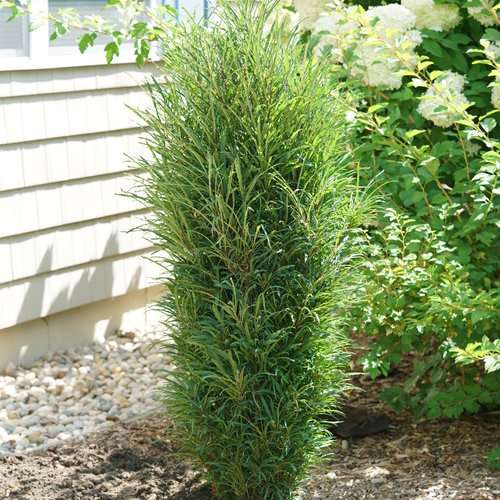
- Rhamnus ilicifolia, also known as California buckthorn, is a deciduous shrub or small tree with spiny leaves. It has small, yellow flowers in spring.
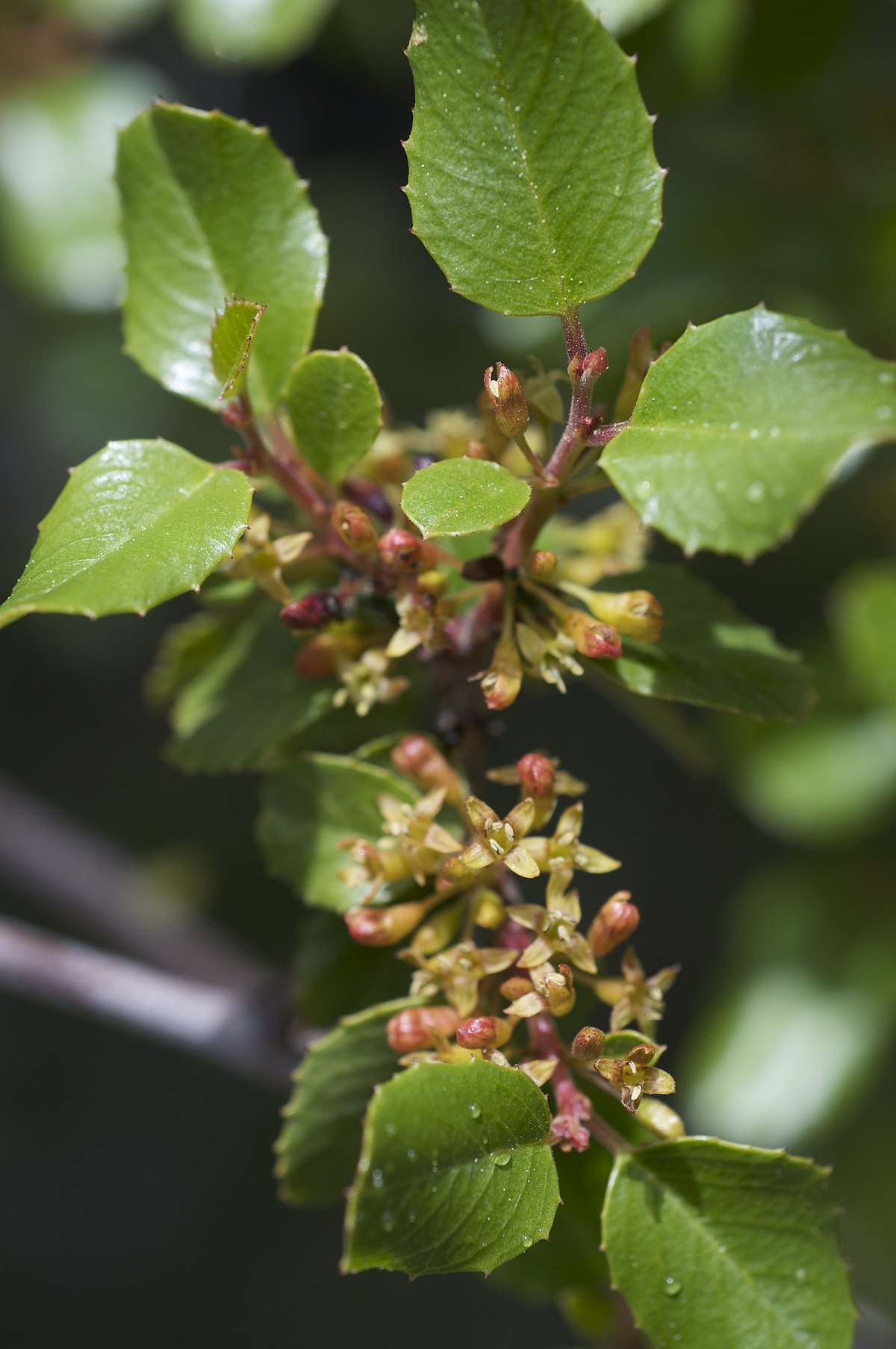
- Rhamnus purshiana, also known as cascara sagrada, is a deciduous shrub or small tree with smooth, gray bark. It has small, dark green leaves and clusters of yellow flowers in spring.


Post a Comment for "Rhamnus: The Unsung Hero Of Herbal Medicine"