The Ultimate Guide To Companion Planting
The Ultimate Guide to Companion Planting
Companion planting is a gardening technique that involves planting certain plants together to benefit each other. This can be done to improve the growth, health, and yield of your plants, as well as to deter pests and diseases.
There are many different benefits to companion planting. Some of the most common include:
- Improved growth and health: Companion plants can help to improve the growth and health of each other in a number of ways. For example, some plants can help to attract beneficial insects that can help to control pests, while others can help to improve the soil quality.
- Increased yield: Companion planting can also help to increase the yield of your crops. This is because some plants can help to attract pollinators, which can help to increase the pollination of your flowers and fruits.
- Deterrent of pests and diseases: Companion plants can also help to deter pests and diseases. For example, some plants can produce chemicals that can repel pests, while others can attract predators that can eat pests.
- Attract pollinators: Companion planting can also help to attract pollinators, such as bees and butterflies. This is important because pollinators are essential for the pollination of flowers and fruits.
- Improved soil quality: Companion planting can also help to improve the soil quality. This is because some plants can help to add nutrients to the soil, while others can help to improve the drainage.
If you are interested in trying companion planting, there are a few things you need to keep in mind. First, you need to do some research to learn about which plants are compatible with each other. There are many resources available online and in libraries that can help you with this.
Once you have a list of compatible plants, you need to decide how you want to plant them. You can plant them in the same bed, in separate beds, or even in containers. The best way to plant them will depend on the specific plants you are growing and the space you have available.
Once you have planted your companion plants, you need to care for them as you would any other plant. Water them regularly, fertilize them as needed, and protect them from pests and diseases.
With a little planning and effort, companion planting can be a great way to improve the growth, health, and yield of your plants. It can also help to deter pests and diseases, attract pollinators, and improve the soil quality.
Here are some of the most popular companion planting combinations:
- Beans and corn: Beans fix nitrogen in the soil, which is beneficial for corn. Corn provides shade for beans, which helps to protect them from pests.
- Carrots and onions: Onions repel carrot fly, which is a common pest of carrots. Carrots help to suppress the growth of onion weeds.
- Cucumbers and beans: Beans provide support for cucumbers, while cucumbers help to suppress the growth of bean beetles.
- Herbs and vegetables: Many herbs can be beneficial for vegetables. For example, mint repels aphids, basil attracts pollinators, and oregano helps to improve the flavor of tomatoes.
- Sunflowers and tomatoes: Sunflowers attract beneficial insects that help to control pests, while tomatoes provide shade for sunflowers, which helps to protect them from pests.
These are just a few of the many companion planting combinations that are available. With a little research, you can find the perfect combinations for your garden.
Do you want to grow a more successful garden? If so, you should consider companion planting. Companion planting is the practice of planting certain types of plants together to benefit each other. For example, basil can help to repel pests from tomatoes, while marigolds can help to improve the soil quality for beans.
There are many different types of companion plants, so it's important to do some research to find the best pairings for your garden. You can find a wealth of information about companion planting online, but one of the best resources is Gardenia Inspiration.
Gardenia Inspiration is a comprehensive website that provides information about all aspects of companion planting. You'll find a list of popular companion plants, as well as tips on how to plant them together. You'll also find information about the benefits of companion planting, as well as how to avoid planting incompatible plants.
If you're serious about growing a successful garden, then you should definitely check out Gardenia Inspiration. It's the best resource available for learning about companion planting.
FAQ of plants that grow together
Q: What are companion plants?
A: Companion plants are plants that grow well together. They may have similar water and sunlight requirements, or they may complement each other's growth by attracting beneficial insects or repelling pests.
Q: How do I choose companion plants?
A: There are a few factors to consider when choosing companion plants. First, you need to consider the plants' water and sunlight requirements. You also need to consider the plants' growth habits. For example, you wouldn't want to plant a tall plant next to a short plant that would be shaded out.
Q: Where can I find a list of companion plants?
A: There are many resources available online and in libraries that list companion plants. You can also ask your local nursery for recommendations.
Q: What are some examples of companion plants?
A: Some examples of companion plants include:
- Marigolds and tomatoes: Marigolds repel nematodes, which can damage tomatoes.
- Basil and tomatoes: Basil attracts beneficial insects that help to control pests.
- Cucumbers and beans: Beans fix nitrogen in the soil, which benefits cucumbers.
- Potatoes and onions: Onions repel potato beetles.
- Sunflowers and carrots: Sunflowers provide shade for carrots, which helps to keep them cool and prevent them from bolting.
Image of plants that grow together
Here are 5 different images of plants that grow together:
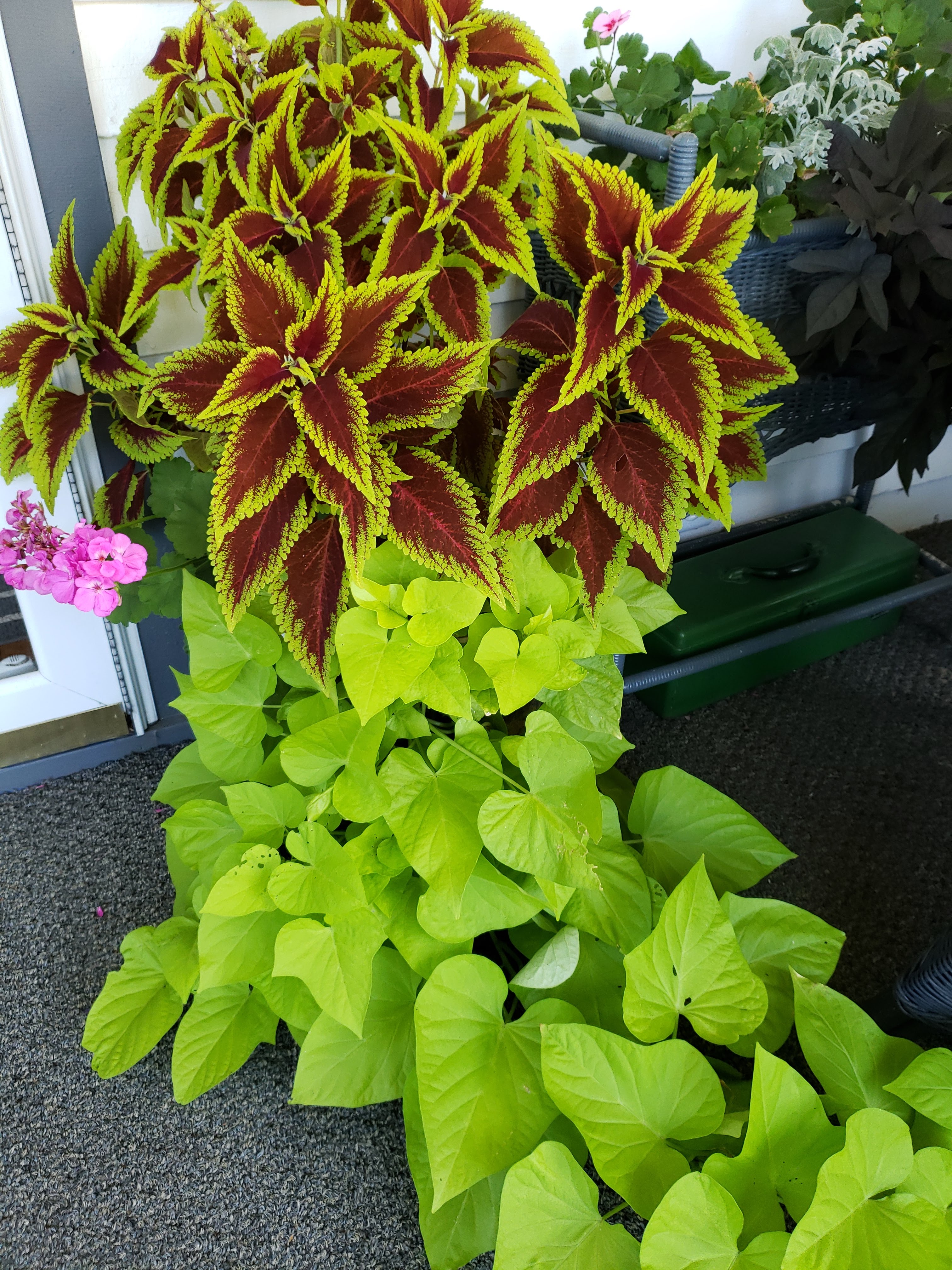
- Coleus and sweet potato vine - These two plants have similar growing conditions and can be planted together in a pot or garden bed. Coleus adds vibrant colors to the pot, while sweet potato vine trails down the sides.
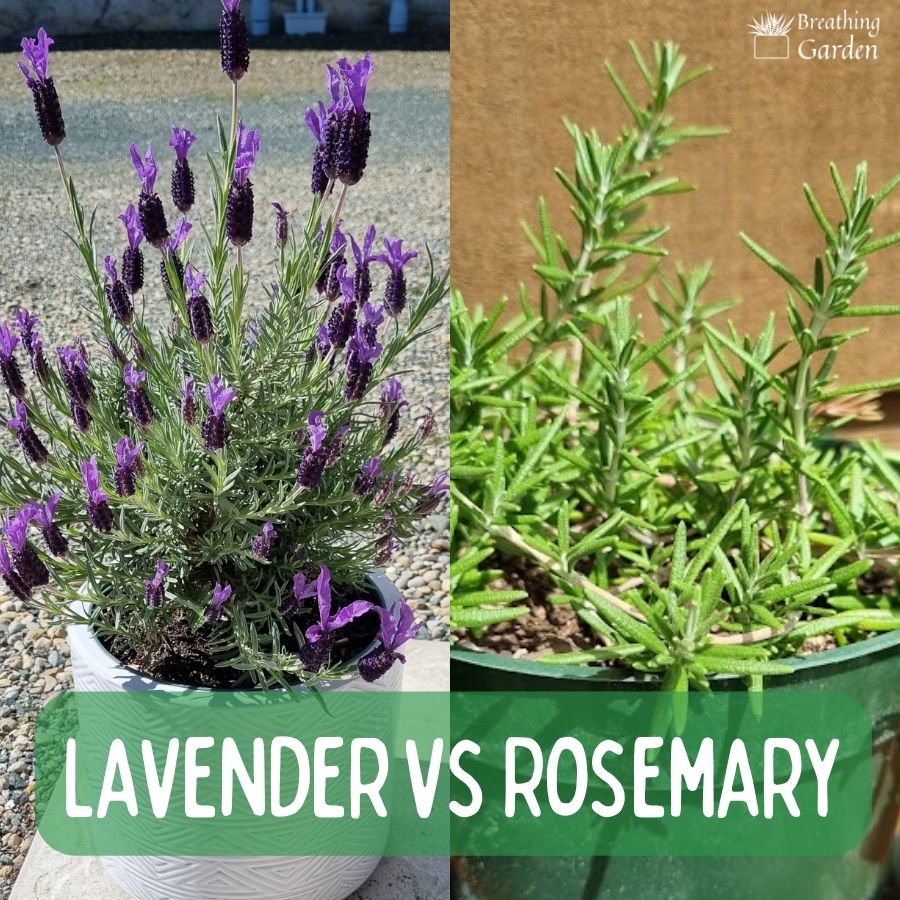
- Lavender and rosemary - These two herbs have a lovely fragrance and can be planted together in a pot or garden bed. Lavender attracts pollinators, while rosemary can be used in cooking.
- Coral bells and hostas - These two plants have different leaf shapes and colors, which makes them a visually interesting combination. Coral bells bloom in the summer, while hostas provide foliage interest throughout the growing season.

- Zinnias and marigolds - These two flowers are both annuals and come in a variety of colors. They can be planted together in a pot or garden bed to create a colorful display.

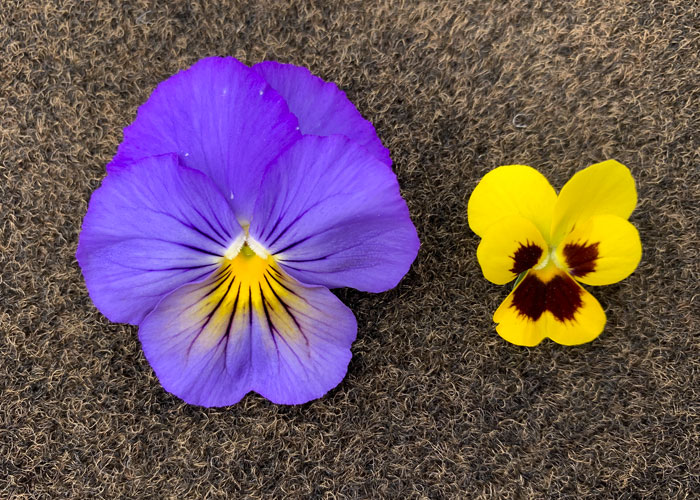
- Pansies and violas - These two flowers are both cold-hardy and can be planted in the spring or fall. They come in a variety of colors and bloom for a long period of time.

Post a Comment for "The Ultimate Guide To Companion Planting"